


Article

What Makes a Stay Feel Seamless?

March 30, 2026

Most groups booking a Fire Island Pines vacation rental spend the most time on the wrong question. They compare photos. They read amenity lists. They check the number of bedrooms against the number of people. What they rarely think to ask is whether the home they are considering will actually work for the specific way their group moves through a week together.


That gap, between a listing that looks right and a stay that delivers, is where most rental weeks either hold together or quietly fall apart. It has nothing to do with how much you spend or how close to the water you are. It comes down to a handful of things that almost no listing page names. BēKin has been inside these homes. Here is what to look for.


What the Home Itself Has to Deliver


A listing photographs a mood. Afternoon light through floor-to-ceiling windows. A deck that seems to extend forever. A kitchen that looks built for cooking. What it cannot photograph is how the home actually holds six people across seven days.


The gap between a home that looks right and one that functions right is almost entirely in the details most listing descriptions skip. Bed configuration relative to group size. Whether the kitchen is set up for more than one person to move through at the same time. How the outdoor space relates to the indoor one, and whether it creates a real third zone or just a backdrop. How the bedrooms sit relative to the main living area, because a beautiful open-plan space right off the bedroom corridor means early risers and late sleepers are negotiating from the first morning.

The homes that get this right have been thought through, not just photographed.
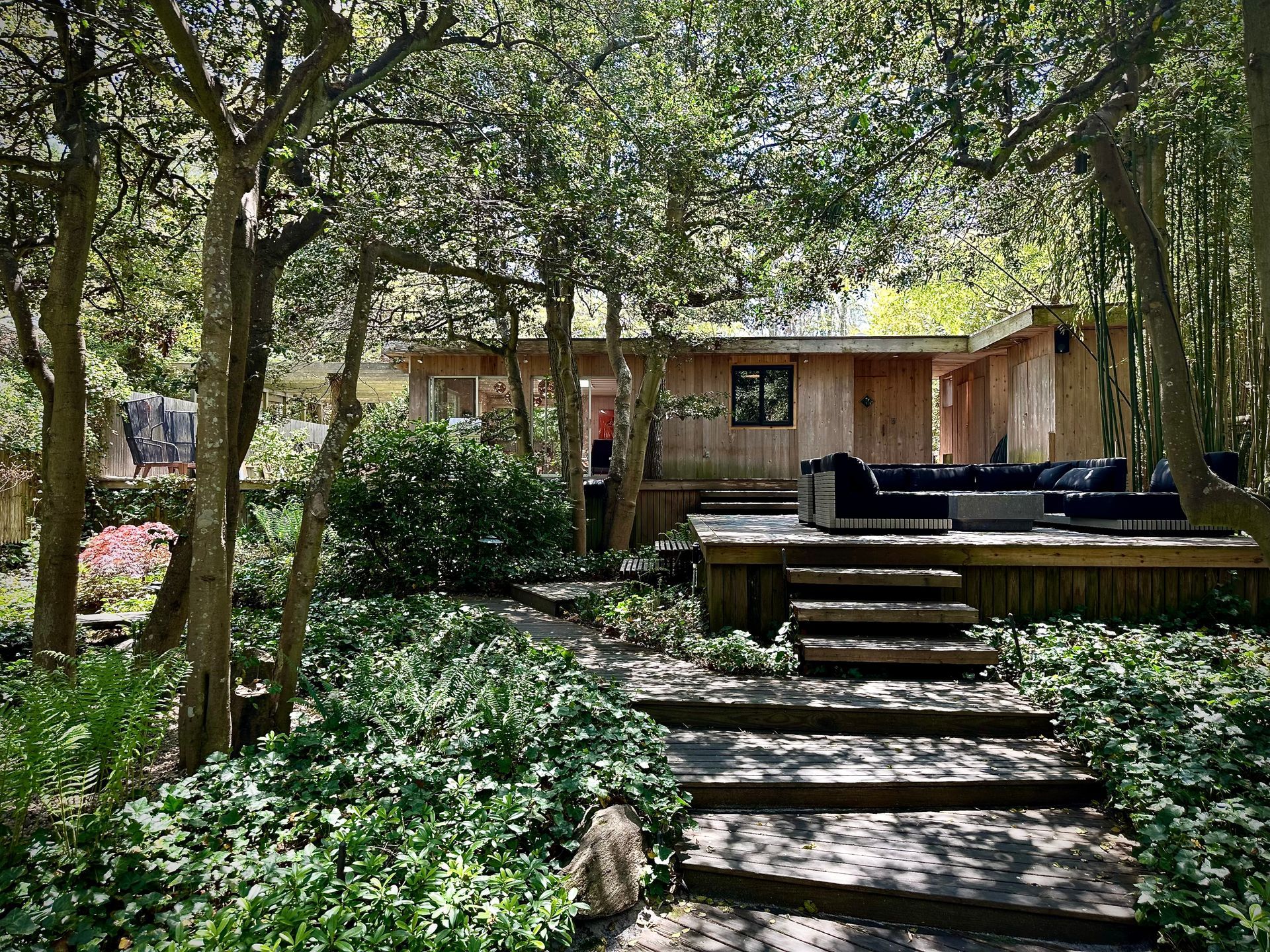


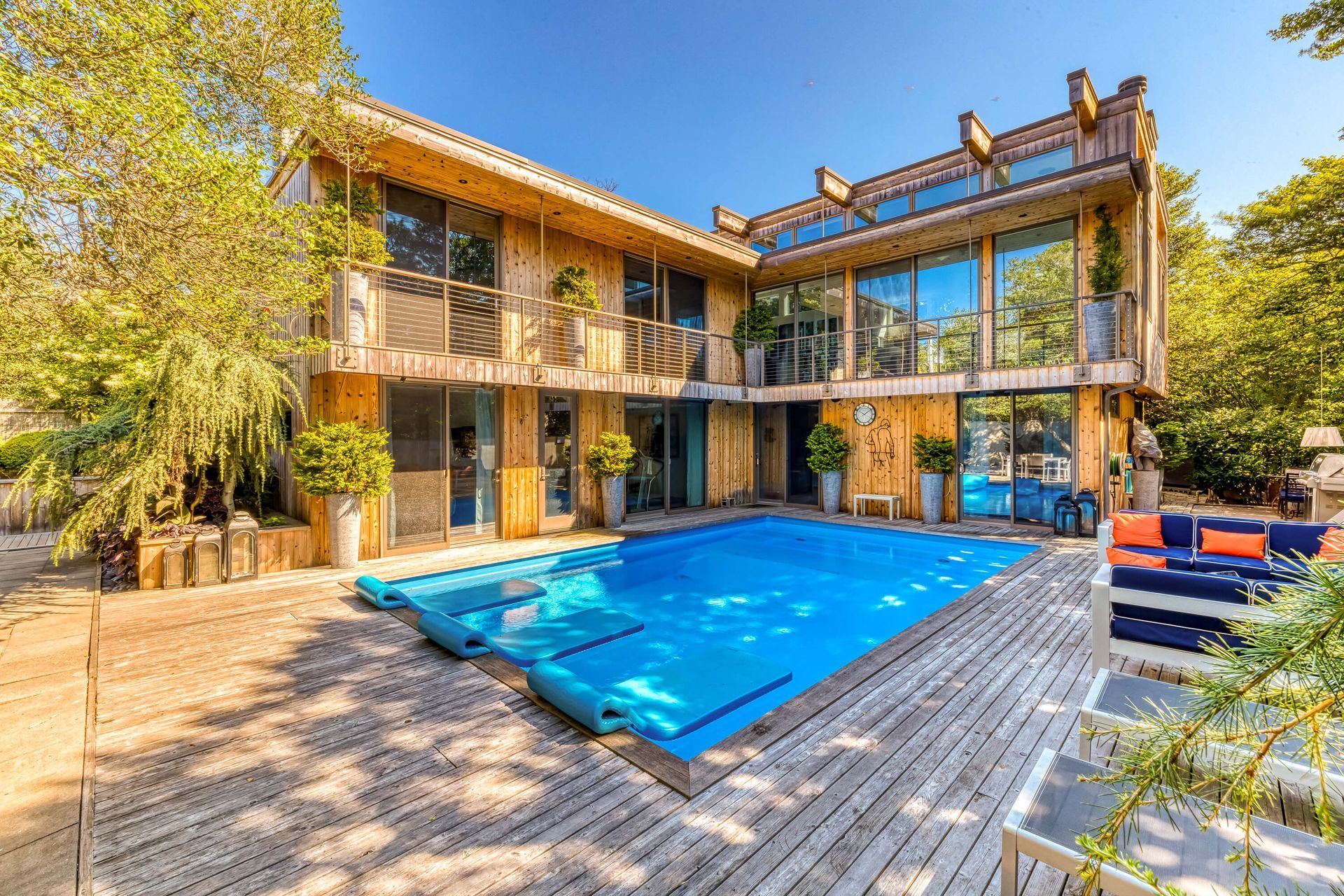
211 Midway Walk


Three queen beds, each with direct outdoor access. Floor-to-ceiling windows opening onto expansive decks. Over an acre of landscaped gardens. A built-in Miele espresso machine. Mid-century architecture, recently renovated. Every detail here was a decision, not a default.


View 211 Midway Walk


The Person Behind the Listing


A Fire Island Pines rental is not a hotel. There is no front desk, no one on call when something needs attention, no infrastructure between the group and whatever happens next. The host is all of that. How they communicate before arrival, how they orient the group when they get there, how responsive they are if something needs attention mid-week: all of it shapes the texture of the stay in ways that rarely surface until something goes wrong.


The best host relationships are the ones where nothing ever rises to the level of a problem. That takes a host who has thought through the guest experience rather than simply listed a property. Different groups need different things from that relationship. The composition of the group shapes what the host dynamic needs to be, and it shapes which home is the right fit, as we covered in Fire Island Group Rentals: Why Size Changes Everything.


Greg at 370 Nautilus Walk has been coming to the Pines since 1987 and is based in New York City. 4BR/2BA, sleeps 8, with a heated pool, roof deck, BBQ grill, outdoor speakers, outdoor shower, fireplace, and Sonos sound system.
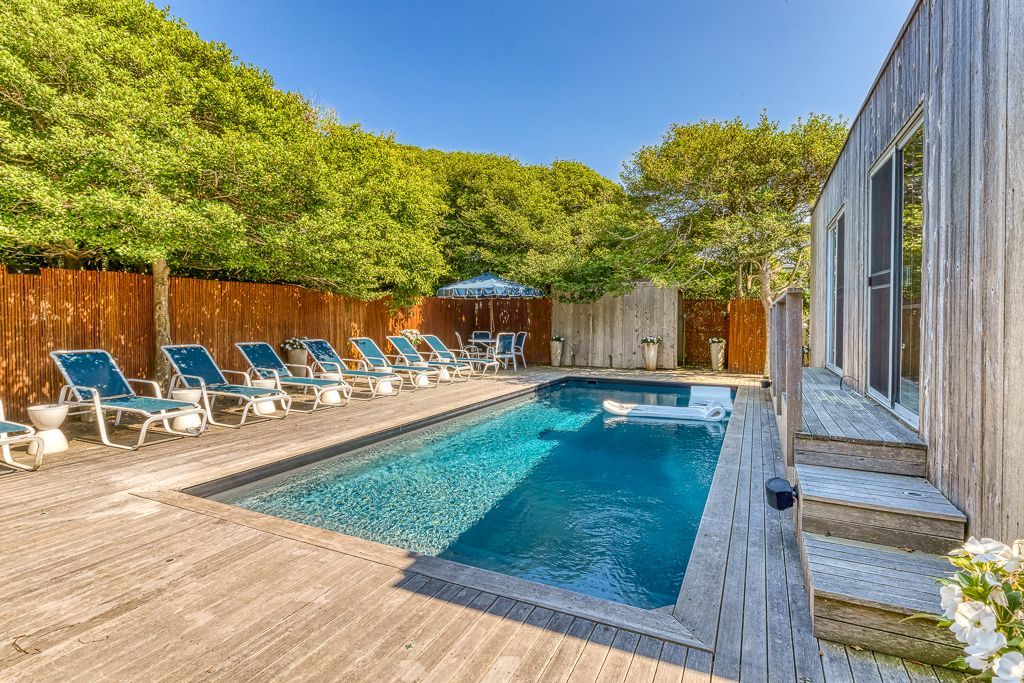

370 Nautilus Walk


Hosted by Greg, who has been coming to the Pines since 1987 and is based in New York City. Heated pool, roof deck, BBQ grill, outdoor speakers, fireplace, and Sonos sound system.


View 370 Nautilus Walk


A Home That Holds the Whole Group


Most groups are not one thing. Some people want the pool in the morning. Some want to be at the harbor by four. Some want to cook dinner at the house. Others want to be out by ten. A home that holds that range does not force the group to negotiate every time someone has a different idea about what comes next.


The physical version of range: multiple zones, a layout where the social life and the private life occupy different floors, enough space that subsets of the group can move at different speeds without fragmenting the week. The emotional version: a home that functions as a genuine base, not just a place to sleep. When the house has enough going on inside it, some of the best moments of the trip happen there without anyone having to plan for them.

A group of six to eight with different energy levels and different thresholds for how much scene they want needs a home that does not pick sides.


87 Black Duck Walk


Two stories built for a group with different ideas of what a good day looks like. Main level for the social life: gourmet kitchen, wet bar, dining area overlooking the pool. Upper level for the private life: four bedrooms, four bathrooms, one king and three queen beds. Heated pool, fireplace. Harbor three minutes away.


View 87 Black Duck Walk

What You Cannot See From the Listing Page


Each of the three layers above, the physical setup, the host relationship, and how the home holds a group across a full week, is something BēKin has direct experience with for every property in the portfolio.

BēKin has been inside these homes. The team knows which ones photograph well and function differently once a group is living in them. Which hosts are responsive and which leave groups to figure things out. Which layouts hold eight people well by Wednesday and which start to show their limits.


A listing page is a curated presentation. It is not a property assessment. The gap between what the listing shows and what the stay actually delivers is where BēKin's knowledge lives, and it is the reason the curation exists.

For some groups, the framework above is enough to make a confident choice. For others, the right home depends on specifics that a short conversation can resolve faster than any further searching. That is what the concierge is for.


Ready When You Are


If you have read this far and you are still not sure which home is right for your group, that is not a gap in your research. It is the signal that the right next step is a short conversation rather than another round of browsing.


BēKin's concierge works through a simple process: who is traveling, what matters to them, and what the week needs to deliver. From there, the homes that fit become clear quickly. It is not a pitch. It is a conversation with someone who knows every property in the portfolio and has placed enough groups to know which homes work for which kinds of people.


When you are ready, it starts here.

Connect With Concierge

The views and opinions expressed in this blog post are those of the writer and do not necessarily reflect the views or positions of any entities they represent or the owners of the Boys of Fire Island site.

share this

Related Articles

Related Articles
By Julian Morales March 13, 2026
Last summer, a group of eight friends rented an oceanfront home in the Pines. Four bedrooms, a wraparound deck, unobstructed water views. By day three, two couples had retreated to their rooms by nine at night. The other four were still going at two in the morning. Not because anyone had a bad week. Because the home had one living space with the bedrooms right off it, and nowhere to be that wasn't in someone else's way. The house looked beautiful. For that group, it was the wrong home.  Knowing how to choose a Fire Island Pines rental isn't just about finding something you love on a listing page. It's about understanding what a home will feel like to live in, together, for seven days. Those are two different questions, and they have two different answers.
By Julian Morales March 2, 2026
Every group has this conversation at some point. Someone says oceanfront and it sounds right, the way it always sounds right. Someone else mentions the harbor is where everything happens. A third person suggests mid-island as a compromise. Nobody commits, and the group spends another two weeks in the chat without a booking.  Most of the disagreement is not about preference. It is about not knowing what each choice actually means for how the week plays out. Oceanfront sounds obvious until you understand what you are giving up. Harbor-side sounds social until you realize it is something more specific than that. Mid-island sounds safe until you understand when it works and when it does not. This is our take on all three. Not a tour. A recommendation.
By Julian Morales February 17, 2026
Planning a Fire Island trip often starts with optimism. There’s time. Dates feel flexible. Someone suggests looking “after a few more people confirm.” Waiting feels responsible, even efficient. Why rush if summer is still months away? What surprises many groups is that Fire Island rentals tend to move quietly, not loudly. Houses do not always disappear in dramatic bursts. They simply stop being available. This is especially true in Fire Island Pines, where demand is concentrated, inventory is limited, and the homes that work best for groups tend to be claimed earlier than people expect. Understanding when to start looking does not mean rushing to book. It means knowing how timing shapes your options long before a decision is made. Why Waiting Feels Reasonable (and Often Isn’t) Waiting is rarely about procrastination. For most groups, it is about coordination. People are checking work schedules. Travel plans are still settling. Someone is waiting to hear back from a friend. In many groups, one or two people are quietly carrying the responsibility of making sure the choice works for everyone. That hesitation is understandable. What we see each season, though, is that waiting often feels responsible until the choices quietly narrow. This is not because demand suddenly spikes overnight. It is because the houses that support group living well tend to book steadily and early, especially in the Pines. Once those houses are gone, the remaining options may still technically work. They just ask more of the group, whether that means tighter layouts, less shared space, or compromises around location. Timing Affects Availability More Than Price One of the most common misconceptions about Fire Island rentals is that timing primarily affects price. In reality, timing affects availability first. In the Pines, group-friendly homes often begin booking eight to twelve weeks earlier than smaller or more flexible listings. Holiday weeks and peak summer periods move first, but even non-holiday weeks follow predictable patterns. Earlier action preserves choice. Later action narrows it. This does not mean every early booking is better. It means that groups who start looking earlier are deciding between options that genuinely work, rather than choosing the least compromised remaining option. For many groups, that difference is felt once everyone arrives. What We See Each Season Every summer, we watch similar stories unfold. Two groups search for the same week. One starts looking early. The other waits to finalize details. The first group spends time comparing layouts, outdoor space, and how the house will feel with everyone together. The second group scrolls faster, hoping something will still click. The difference is rarely about decisiveness. It is about timing. A house that feels easy for a group of eight in April may be unavailable by May, even if the week itself is not yet in high season. Once it is gone, there is often no direct substitute nearby. Smaller groups can pivot more easily. Larger groups usually cannot. This is why timing matters more as group size increases, a pattern we explored in more detail in our recent post on how group size shapes Fire Island rental options. Related Reading: Fire Island Group Rentals: Why Size Changes Everything Early Action Is About Preserving Options, Not Creating Pressure There is a difference between urgency and awareness. Early action does not mean committing before your group is ready. It means beginning the search while there is still room to evaluate, compare, and step back without pressure. Groups who start earlier tend to move through the process with more confidence. They are not scrambling to align opinions under time pressure. They are choosing from a fuller set of possibilities. That confidence carries into the trip itself. Instead of wondering whether a better option slipped away, the group arrives knowing the house was chosen intentionally. How Timing Shapes the Experience, Not Just the Booking Timing influences more than availability. It shapes how planning feels. When groups wait until options are limited, decisions carry more emotional weight. There is less space for disagreement. Fewer chances to revisit priorities. More pressure on the person coordinating. When groups begin earlier, planning feels calmer. Tradeoffs are clearer. Conversations are easier. For groups who return to Fire Island year after year, this difference matters. These trips often hold meaning beyond logistics. They are reunions, traditions, and chosen family gatherings. Preserving ease in the planning process helps preserve ease in the week itself. What to Do If You’re Not Ready to Book Yet Not every group is ready to book as soon as they start looking. That is normal. If your group is still aligning, early steps can still be useful: Browse with intention rather than casually Identify two or three layouts that genuinely work for your size Clarify which features are non-negotiable Understand which weeks tend to book first This kind of early clarity makes it easier to move when the right option appears. For some groups, having guidance during this stage reduces decision fatigue. Our concierge team works closely with every house on the platform and understands how different homes function for different group sizes. For many planners, this turns an overwhelming search into a manageable short list. Book a Free Concierge Service from BēKin You can also explore current availability directly to get a sense of how timing affects the market. A Note From Past Guests “Great home! Super chic and cute, the owners were helpful and responsive. Comfortable beds, great pool and hot tub. We'd happily stay again here.” — Mitchell, guest at 617 Shore Walk. We hear this often. The hope to return usually begins with a booking that felt well-timed, not rushed. Start Looking Earlier Than You Think, Then Decide Calmly If there is one takeaway, it is this. Fire Island rentals do not reward urgency. They reward awareness. Starting earlier does not force a decision. It simply keeps better options on the table longer. For groups, that often makes the difference between a house that works on paper and one that feels right once everyone is together. In our next post, we’ll look at why the cheapest option rarely feels like the best one, and how demand quietly shapes pricing decisions in Fire Island. For now, beginning the search earlier than you think you need to is the simplest way to plan with clarity instead of friction. Related Reading Related Reading: Fire Island Group Rentals: Why Size Changes Everything
ALL ARTICLES