

Article
Tea Dance in Fire Island Pines: 60 Years of the Gathering That Built the Pines Social World
Tea Dance turns sixty this summer.
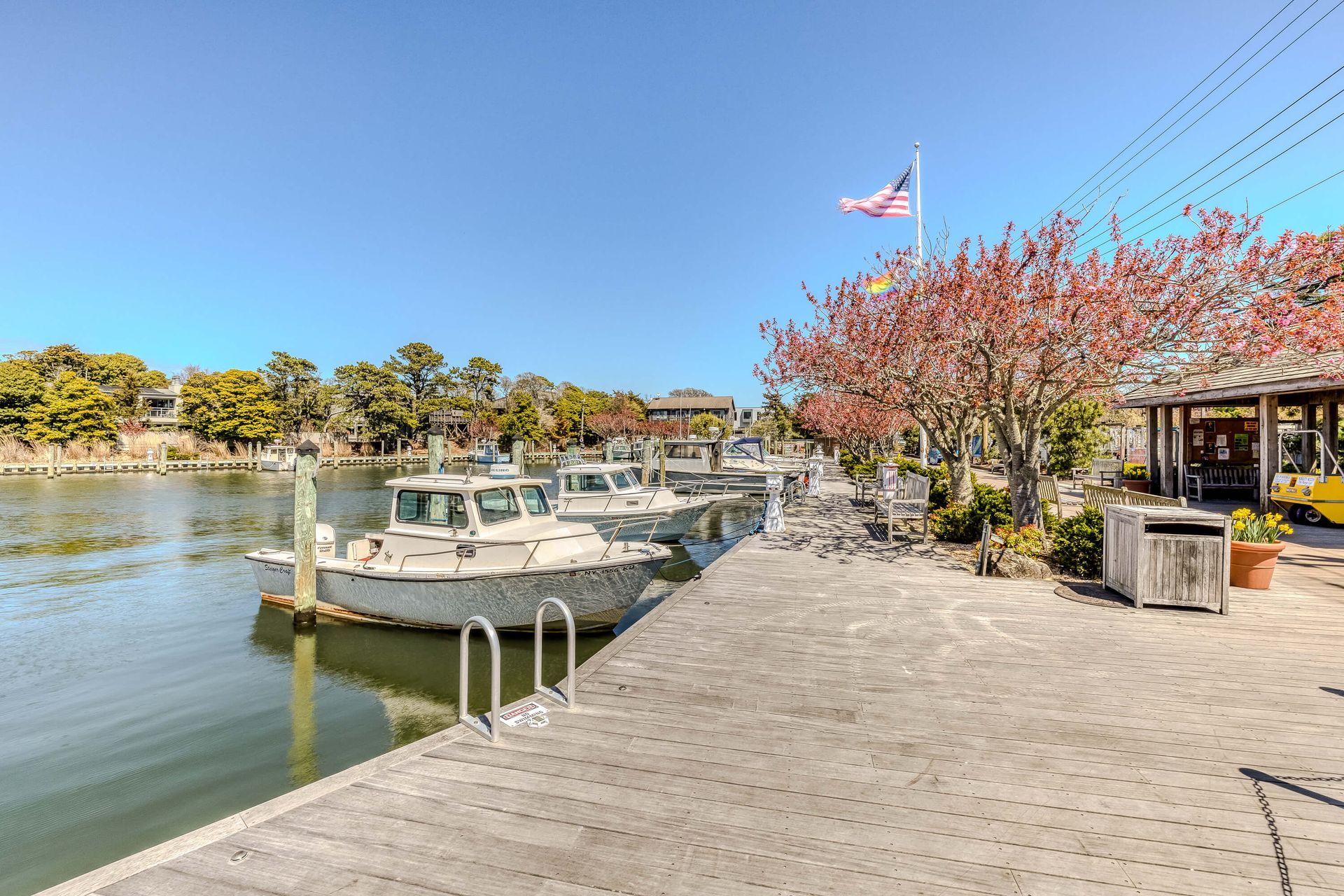
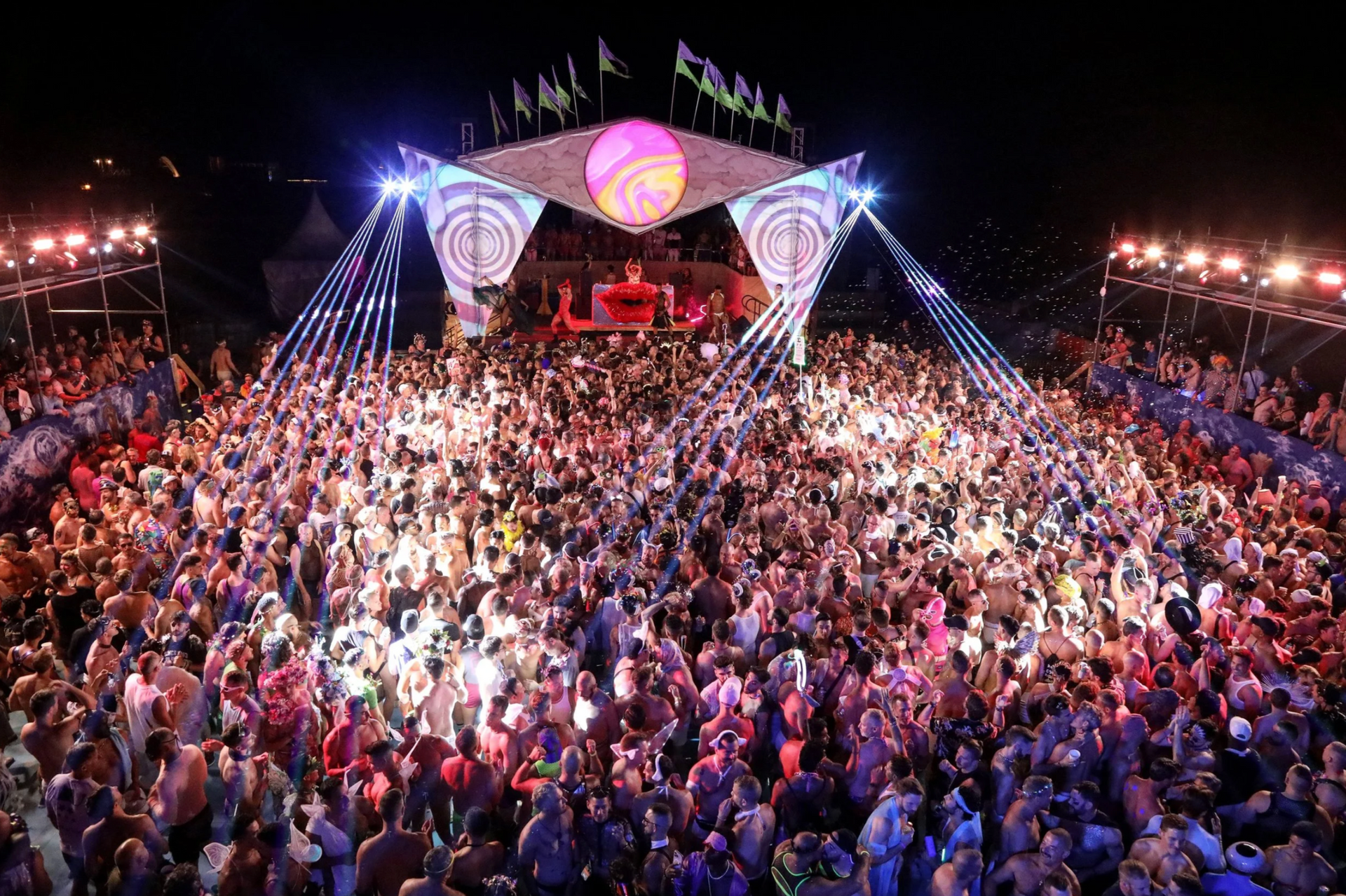
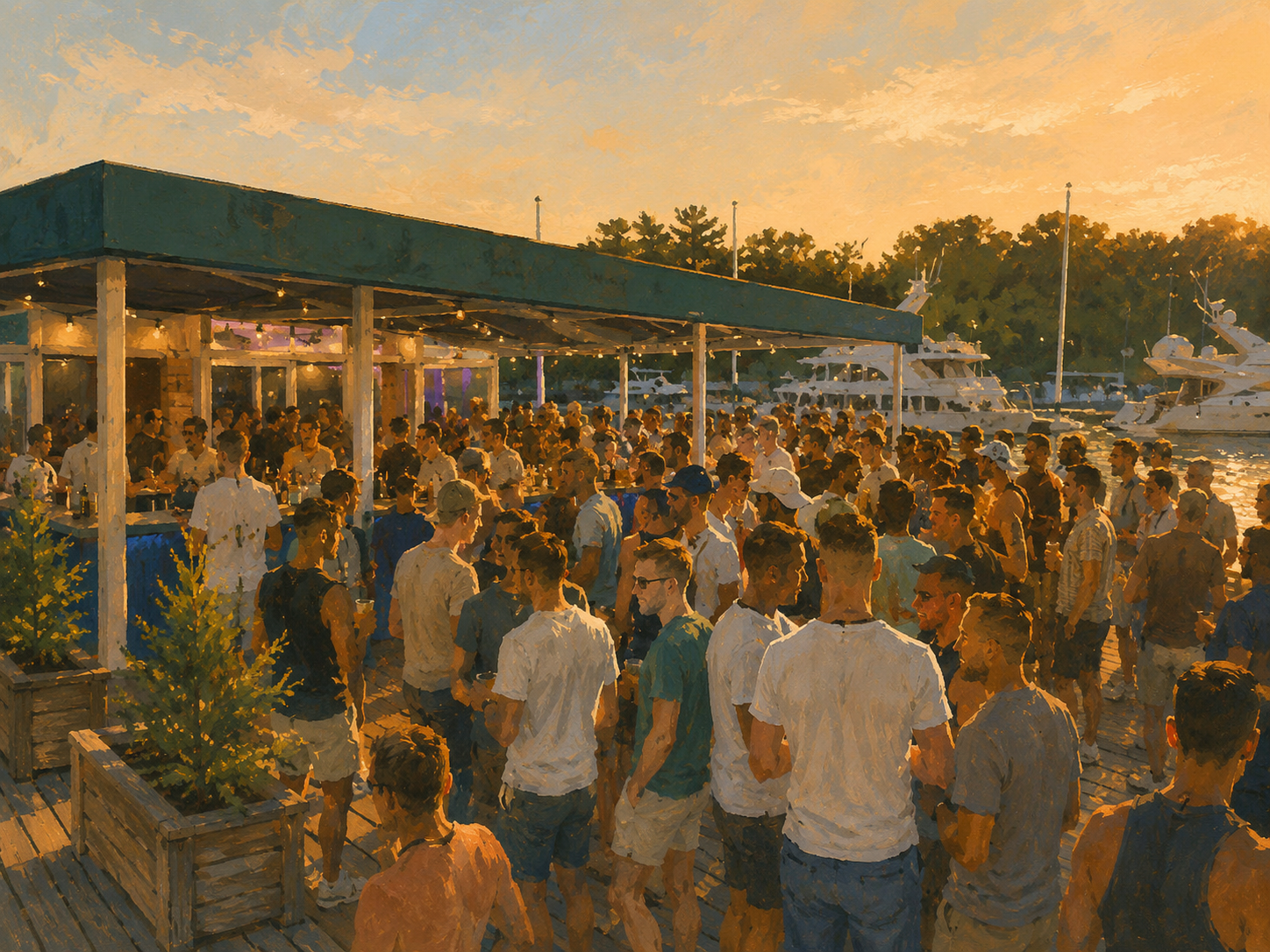
Not sixty as a number on a banner. Sixty as in: a specific afternoon, at a specific bar, on a specific island, that has been happening without interruption since 1966. In 2026, it still runs daily in Fire Island Pines, now across three sessions that carry the day from afternoon to evening: Low Tea at the Blue Whale, Middle Tea at the Tryst Pool Club, High Tea at the Pavilion.
Most people who walk down to the harbor for the first time know it as a ritual. What they do not always know is where it came from, what it took to build it, and why it survived everything that tried to stop it.
That story starts before the Pines.
Before the Pines: Where the Format Came From
The tea dance is older than Fire Island knows.
From the late 1800s through the years before the First World War, afternoon tea gatherings were a fixture of respectable social life on both sides of the Atlantic. They were the era's version of happy hour: an occasion organized around tea rather than alcohol, where singles could meet and dance without the social weight attached to evening nightlife. The format faded from mainstream American life after Prohibition and had largely disappeared by the mid-20th century.
The LGBTQ community brought it back. Not for the elegance of it, but because it solved a problem.
Through the mid-1960s, New York State law prohibited bars from knowingly serving alcohol to gay patrons. The State Liquor Authority treated homosexuality as grounds for license revocation. Gay gathering spaces operated under permanent legal threat. On Fire Island, where gay men had been building summer communities in Cherry Grove and the Pines, venues operated closer to afternoon social spaces than nightclubs. The afternoon format was more defensible. The ferry schedule helped too: guests could attend and still make the last boat back for Monday morning.
The afternoon held them. And for a community that could not simply gather the way others could, being held somewhere safe was not a small thing.
For more on what the Pines has meant to its community, read Belonging by the Water.
1966: The Blue Whale and John Whyte
In 1966, John Whyte created Tea Dance at the Blue Whale bar at the Pines and Dune Yacht Club.
Whyte had bought out his partners in 1964, renamed the property, and established the Blue Whale as its central bar. He also created the Blue Whale cocktail: gin and blue curacao, served cold. Demand ran high enough that the Pines reportedly became one of the largest purchasers of blue curacao in the world.
He initially brought in Jimmie Daniels to provide live music. Daniels was a Black entertainer from the Harlem Renaissance era who had performed across New York, Europe, and gay-friendly venues for decades. As soul music shifted the culture in the late 1960s, the jukebox overtook the live act. A Wurlitzer replaced Daniels. Patrons wanted to move more than they wanted to listen.
That shift is where Tea Dance was born.
By 1967, attendance had grown enough that Tea Dance expanded to seven days a week during the summer season. That it grew at all during this period is worth sitting with, because growing meant showing up under conditions that included raids, arrests, and Suffolk County officers who came to the events with monthly quotas in mind. When attendees were detained, Whyte and longtime Pines resident Jack Lichtenstein arranged bail.
The 1970 film Boys in the Band documented this era's culture as part of its portrait of gay social life in New York.
The gathering continued.
Dancing Around the Law
Men could not dance together. That was the law.
The solution was the line dance. Dances like the Hully Gully and the Madison required group formations rather than partnered movement. They could incorporate women into the line. They satisfied the letter of the law against same-sex dancing while putting men on the same floor, moving together, close enough.
Whyte monitored the dance floor himself: climbed a ladder with a flashlight and megaphone. When men got too close, the light found them. When police arrived, dancers swapped to mixed-sex partners. Suffolk County officers came to the events with monthly arrest quotas in mind. Attendees were sometimes rounded up and identified in local press.
What the Hully Gully was, underneath the formation, was a community deciding to show up anyway. The line dance was the workaround. The dancing was always the point.
From Disco to Three Teas
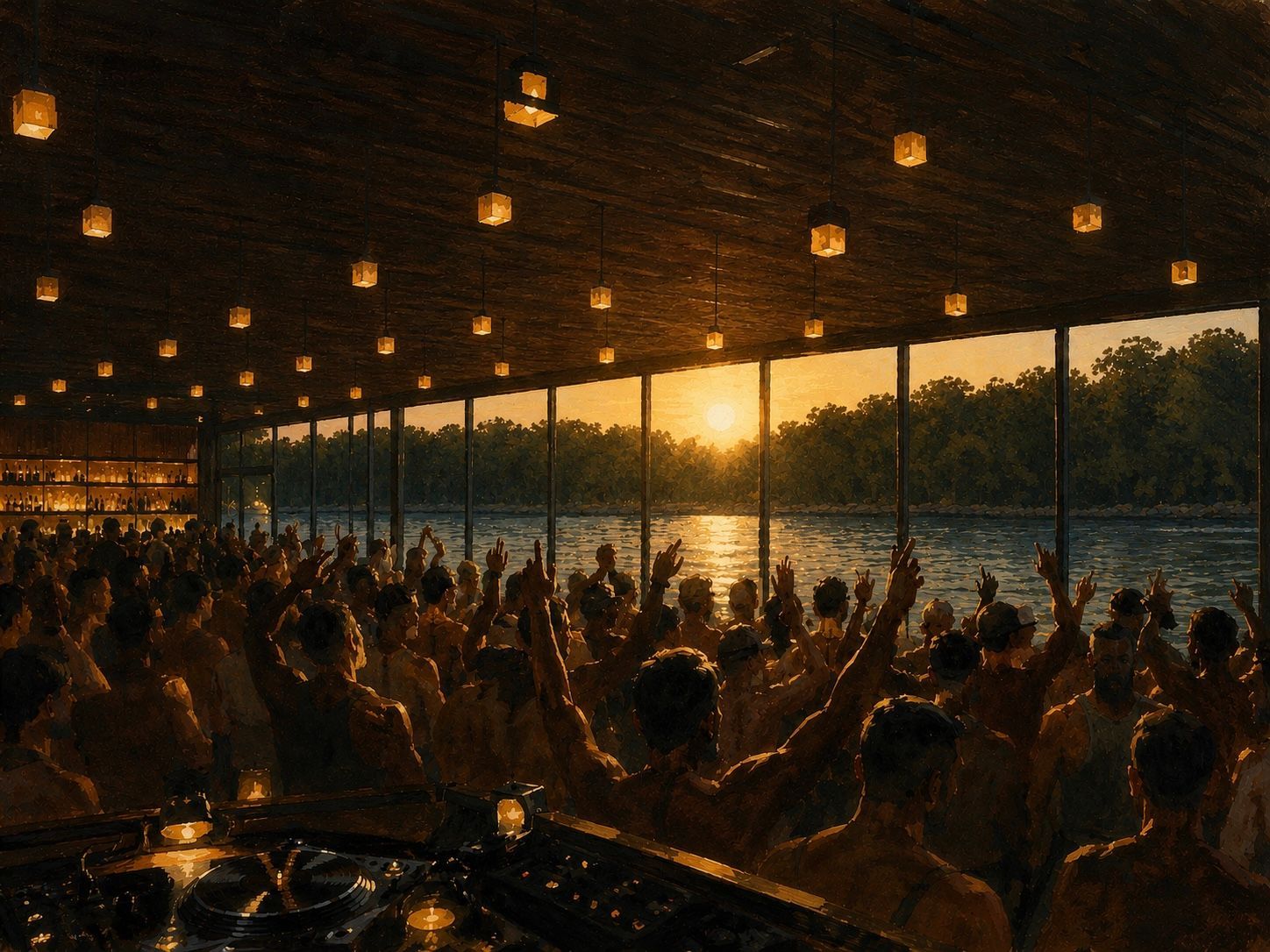
Stonewall changed things. After June 1969, men could finally dance together, and the floor at the Blue Whale opened up in a way it never had before.
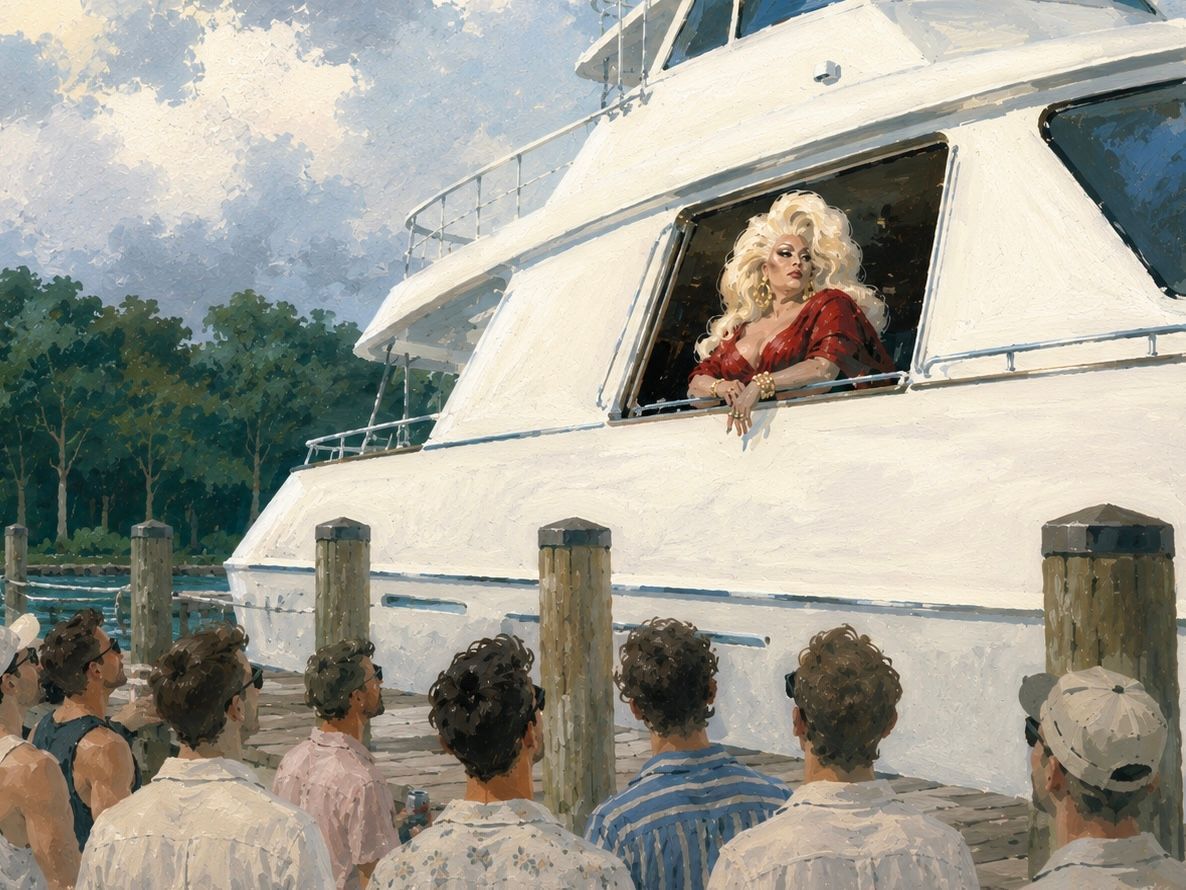
Disco did the rest. The 12-inch single made continuous mixing possible. Silence between songs disappeared. The Fire Island Pines Historical Society describes what followed as Tea Dance's golden age: a decade in which the Pines drew an increasingly visible crowd and Tea Dance became the social event of the week. The Barbara, a yacht owned by the Ross family of the Bicycle Company, moored in front of the Blue Whale throughout the 1970s and 1980s. Barbara Ross held court from the boat. Dinner arrived nightly by delivery from the restaurant.
The tradition traveled. Post-Stonewall, the format spread to Greenwich Village, then to Fort Lauderdale, Provincetown, Los Angeles, and San Francisco. In communities where "tea dance" felt too closely tied to the Pines crowd, it became the T-Dance: same afternoon logic, different name.
By the late 1980s, a second session had emerged. The Pavilion's upper deck drew the community crowd. Bob Howard developed High Tea there. In 1989, Whyte purchased the Pavilion. In 2004, when the properties changed hands, the original Blue Whale session became Low Tea. In 2006, a standing party with DJ Vito Fun formalized into Middle Tea.
Three sessions. One tradition. Sixty years of decisions, each made by a community protecting something it built.
For more on another tradition born in these same years, read Pines Party: The History Behind One of Fire Island's Most Anticipated Weekends.
2026 and a Natural Next Step
Tea Dance's 60th season opened May 8, 2026, with the first Low Tea at the Blue Whale. Full programming across The Blue Whale, The Pavilion, and The Tryst Pool Club began May 15. The three sessions run through Labor Day.
Sixty years in, Tea Dance is still the afternoon the rest of the day organizes itself around. A week in the Pines lands differently when you arrive knowing what the gathering at the harbor actually is.
If you are planning a stay and want help finding the right home for your week, the BēKin concierge team is the place to start.
For more on how to build a Pines week, How a Fire Island Pines Week Actually Comes Together is worth reading before you book.
The views and opinions expressed in this blog post are those of the writer and do not necessarily reflect the views or positions of any entities they represent or the owners of the Boys of Fire Island site.
share this
Related Articles
Related Articles